Biola is a place of robust community and hot takes. Soft serve ice cream is a delicacy and electric scooters are either effective or terrifying modes of transportation. When you begin at Biola, you join what students and staff deem the “Biola Bubble.” A 2017 Student Life Blog post described this “‘Bubble’ as a cultural hedge between university students and the outside world.” Along with our Christian beliefs, Biola has unique idioms, customs and traditions that set it apart from the “outside world.” Most Californians haven’t high-fived DBC or eaten their weight in Cafsgiving rolls. And contrary to campus demographics, the average LA County resident is not in their early 20s. Biola is a good place with good people. But is it possible to have too much of a good thing?
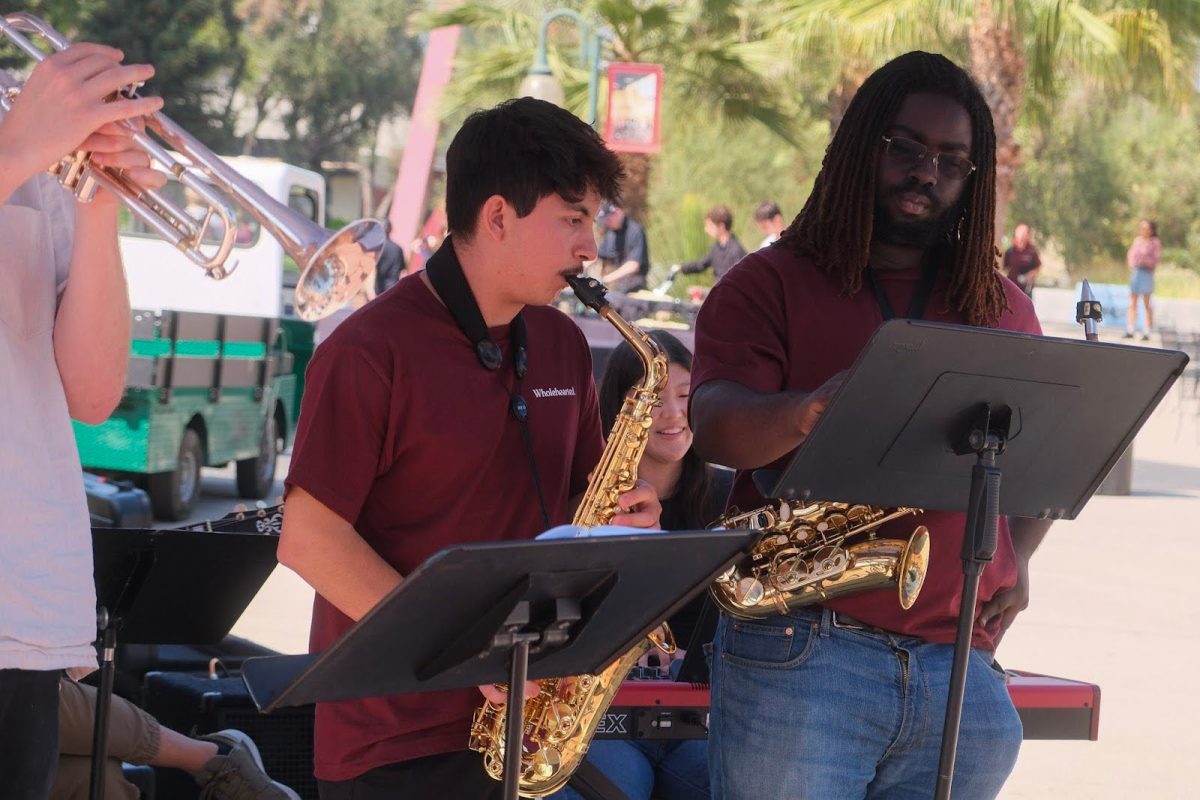
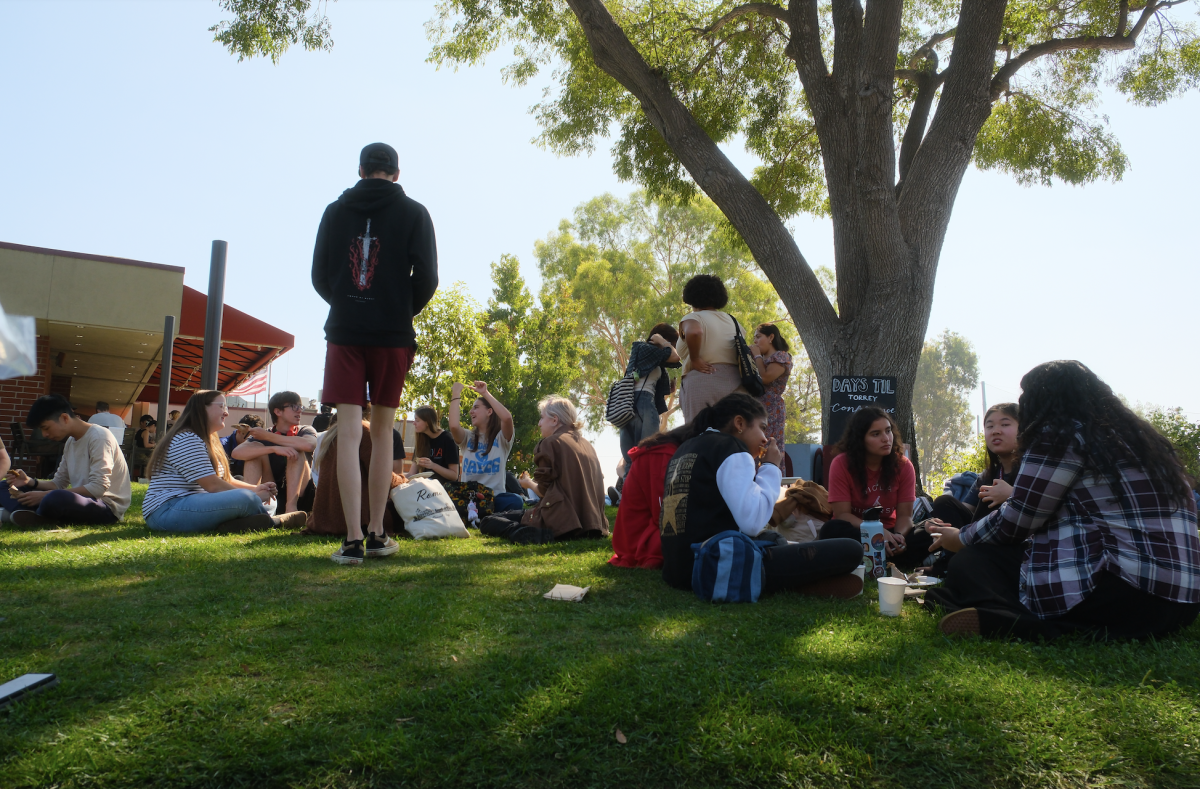
Biola boasts an all-Christian community with intentional faith integration. Its unwavering commitments to the Bible and holistic growth set it apart from other universities. In addition, unique extracurriculars and events, such as Mock Rock and Torrey Conference, give students the opportunity to connect with like-minded people and make meaningful friendships. Sophomore Bible major Libby Northup has found rest within the Biola Bubble after attending high school with nonbelievers.
“I think there’s something tremendously beautiful about a body of students that is totally dedicated to a common objective, who are all striving to grow in faith together,” Northup said.
For much of campus, Biola is a place for healing and falling deeper in love with the Lord. Junior English major and Student Missionary Union Local Missions Director Audrey Morrison has heard the Bubble described as a “greenhouse” that prioritizes personal growth in a safe space. Many students choose Biola because of the growth and community it offers during formative years. With a tight knit campus, however, it can be difficult to navigate stereotypes and expectations. From the Ring by Spring phenomenon to denominational stigmas, the Biola Bubble has its downsides. Cultural bubbles can create “echo chamber” like environments where similar opinions become the norm. Biola students have diverse perspectives, backgrounds and all profess Jesus as Lord. For students with unbelieving friends and family at home, exclusively Christian environments can be uncomfortable at first. After arriving at Biola, Northup began to feel a bit “stir crazy” on campus.
“Having come from a context of almost all non-Christian friends to all Christians all the time, it felt like culture shock,” Northup said.
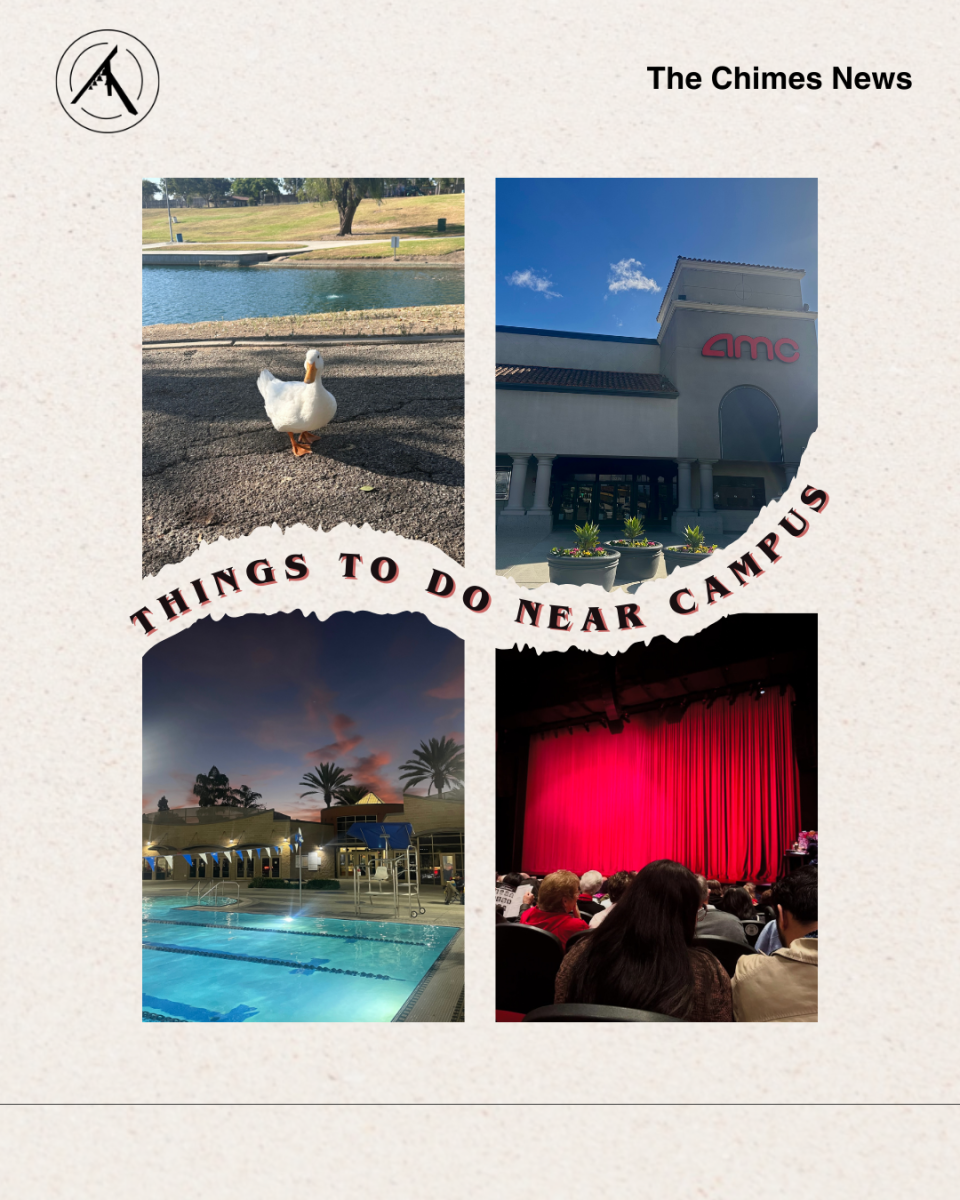
When the Bubble starts to feel overwhelming, it is a good time to gauge our involvement with communities outside of Biola. The lessons we’re learning here shouldn’t end with ourselves. Instead, we should be empowered by the Great Commission to cultivate relationships outside of Biola. College is a great time to engage with the “real world” without being in the “real world.” Morrison thinks we’re doing ourselves a disservice if we don’t prioritize serving our community.
“I would hate for us to be so focused on growing that we accidentally exploit the good things that we’ve been given and not steward them well and sustainably,” Morrison said.
Tangible ways to give back include serving with regional ministries, getting involved at church and joining local interest groups. Southern California boasts a variety of diverse ministries. The Student Missionary Union (SMU) sponsors volunteer teams at a variety of SoCal nonprofits and ministries through their local missions department. SMU provides students with great resources for neighborhood ministry and meeting needs around you.
In addition to SMU, local churches can provide students with a community outside of Biola. From community groups to potlucks, the local church brings believers together that might not have otherwise met before heaven. Biola is a Christian community, but not a church. The lessons and skills you’re learning at Biola can be useful in church settings. We should be wary of taking our Bible minor or Torrey knowledge for granted, and instead use it to uplift and encourage church members around us.
To expand your circle even further and meet nonbelievers, join an interest group or club. Southern California has a variety of organizations for people to express their passions and interests. This semester, Northup is hoping to join a local literary group to expand outside of the Biola Bubble and befriend nonbelievers.
“You have to make a conscious choice to participate in a community that looks distinct from Biola,” Northup said.
Our commitment to the Great Commission doesn’t begin after college; we have an obligation to it now. What better way to practice the Great Commission than by building relationships with unbelievers through shared interests? It’s an honor to learn and live in the Biola Bubble, but choosing not to engage with the outside world limits our growth and impact. We grow by connecting with people different from ourselves and can be impactful by sharing the good aspects of the Bubble with others. Sharing how the Lord is shaping you through classes, chapel and Biola relationships can encourage people outside of the Bubble. So the question still remains… is it possible to have too much of a good thing? If you choose to keep the positive aspects of Bubble for yourself and not engage outside of campus, the answer is yes. However, if we leverage how Biola’s shaping us to build community off campus, the Bubble is serving us well. We won’t be in the Biola Bubble forever, so we should learn how to love the “real world” before leaving Biola. I charge you to take advantage of the formation that happens at Biola and seek to make the Bubble a better, less stigmatized place. At the same time, don’t neglect where God has placed you in Southern California. We are the “light of the world,” so let your light shine not just in the Bubble, but in La Mirada, LA County and beyond.