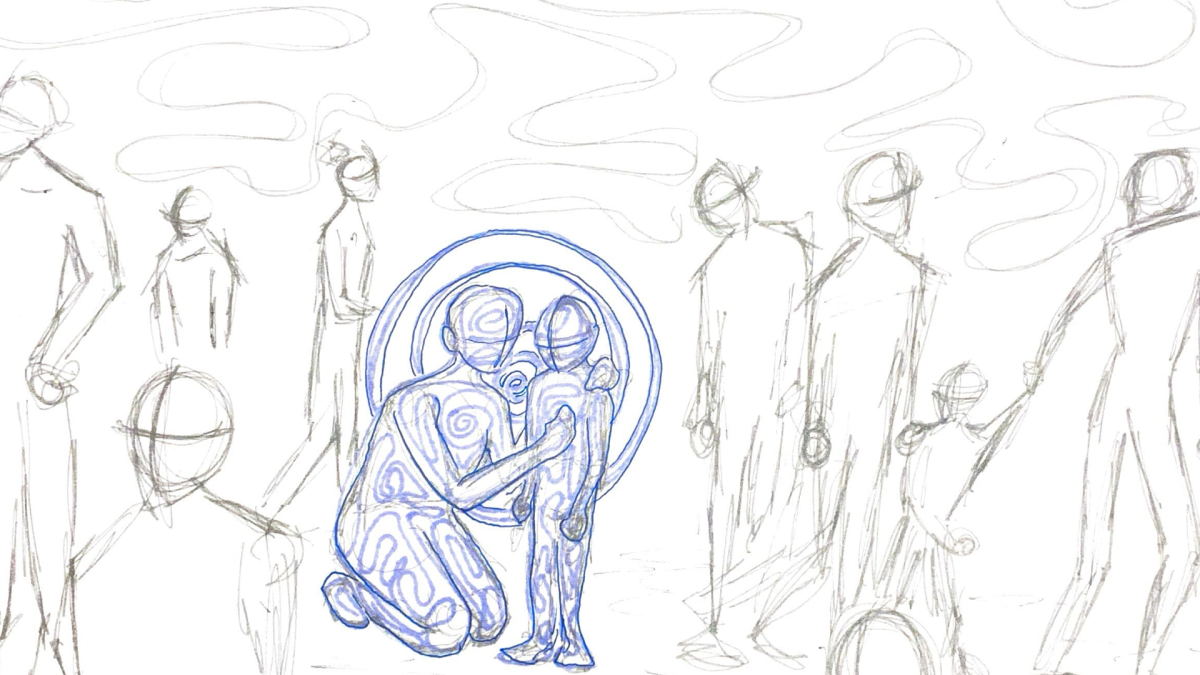
Earlier in January, an image of a child wearing a light blue, bunny faced stocking cap scrolled through my Instagram feed. Reports say the child was taken by the US Immigrations and Customs Enforcement (ICE), despite contrasting narratives regarding the detainment in question. I was grieved to see the look of confusion on the child’s face as he and his father were detained. We’ve already seen a lot of grief in 2026. From abnormal weather patterns impacting homeless communities in Texas to “wars and rumors of wars,” many communities are experiencing pain they cannot control. As Christians, it is our goal to daily emulate Christ. When we see hurting, oppressed people, whether we agree with them or not, how should we respond? Jesus speaks directly to this issue through the Parable of the Good Samaritan.
THE GOOD SAMARITAN
In Luke 10, Jesus articulates how people ought to care for their neighbors. Christ shares about a man who is robbed and the Samaritan who stops to help him. The oppressed man was Jewish, making the Samaritan’s kindness even more significant. Historically, Jews and Samaritans had contentious political, social, and religious relationships. Around 721 BC, Jews in the Northern Kingdom of Israel began marrying Assyrians, creating the Samaritan race. These unions led to a syncretic culture and religious system. Many Jews felt Samaritans were unclean and illegitimate, causing contention between the people groups.
Fast forward to The Good Samaritan, Christ responds to a smug Jewish lawyer’s questions about inheriting “eternal life” and neighbor relationships. Probably to the lawyer’s surprise, an “illegitimate” Samaritan is the parable’s hero. Christ urges the lawyer to reevaluate his personal biases while imploring the man to assist his hurting neighbors. If a Samaritan stops to help an oppressed Jewish neighbor, how much more so should the people of God stop to help hurting individuals, regardless of their background or prejudices? You may not agree with a hurting person’s lifestyle or beliefs, but they’re still made in the image of God. Torrey Honors College Professor Dr. Joshua Smith elaborates on this idea.
“I have to think carefully about the rightness of certain kinds of responses to people because everyone has this kind of special status as image bearers,” Smith said.
It can be difficult to love people you disagree with, but Jesus’ instructions are clear: neighbors are worthy of being helped, and everyone is your neighbor. Here are three ways to tangibly love people who are hurting, regardless of their differences.
MEET HURTING PEOPLE WHERE THEY ARE
The Samaritan goes to the dying Jewish man, even though stopping is inconvenient. Helping our neighbors can take us out of our daily routines and create potentially uncomfortable situations, but their eternal impacts are worth it. Neighborly service may look like stopping to aid your religious opposite like the Samaritan did, or donating old clothes to a nonprofit serving immigrants. You might not regularly donate your time or possessions to assist others, but both are practical ways to be the hands and feet of Jesus.
Sometimes, the American church can infer what oppressed persons need without directly seeking them out. Individual actions create the collective impact of the Church, so personally meeting people where they are can inspire intentional, widespread change. Instead of assuming what someone may need or waiting for your church to act first, go out of your way to meet hurting neighbors and empirically see how they could use assistance.
DO YOUR RESEARCH
To effectively love people, it’s important to understand where they’re coming from. Knowing the facts of a difficult situation, like migration statistics, is important. However, too much quantitative knowledge could cause us to see hurting people as numbers, rather than human beings made in God’s image. To understand someone’s pain, seek out their firsthand stories. This could look like reading an immigrant’s memoir or listening to a trafficking survivor’s podcast. Engaging with diverse stories, especially from people different from you, can help bridge cultural and experiential divides. Even though you may never encounter the same difficulties, you can still become acquainted with someone’s hurts and engage through empathy.
PRAY FOR A SOFTENED HEART AND SEEK WISDOM
I can imagine the “slap in the face” the lawyer feels when Jesus instructs him to embody the actions of his enemy, the Samaritan. It can be hard to love your neighbor, especially when their beliefs are antithetical to your perspective. If you’re having difficulty helping someone because they’re different from you, repent, pray for a softened heart, and seek the Lord’s wisdom. I have prayed for a renewed perspective towards people I disagree with; it’s humbling to admit you’ve failed to acknowledge the Imago Dei in someone.
“It’s instinctual to get angry, but we live a life that is powered supernaturally. It requires the supernatural grace of God to live a Christian life,” Smith said.
To graciously engage with those we disagree with, Smith encourages us to seek what the Bible describes as “wisdom from above.” James chapter 3 distinguishes between heavenly and earthly wisdom: heavenly is “pure; then peace-loving, considerate, submissive, full of mercy and good fruit, impartial and sincere,” while earthly wisdom is fueled by envy and selfish ambition.
“I use “wisdom from above” as my checklist. If I’m about to respond to a situation, these are attributes that I’m embodying as I move forward,” Smith said.
As the world grows more contentious, ask God to give you heavenly wisdom and break your heart for hurting people. If a Samaritan without the Gospel can see a Jewish man’s value and help him, Christians with the Truth should feel even more convicted to compassionately love others; not because we agree or disagree with them, but because of God’s image imprinted on their souls. Loving someone doesn’t mean affirming their actions or beliefs, it’s more difficult than that… it means, despite any differences, sacrificially serving them and acknowledging the value they have as God’s creation.
Moving forward, seek out ways to tangibly love your hurting neighbors. You could speak up on someone’s behalf, volunteer with your church’s outreach ministry, or simply sit and listen empathetically. We are conduits for the Lord’s compassion; now’s the time to allow His grace to flow through us and into the lives of others.
“I hope people will invest in the process of discerning, listening, gathering evidence, being impartial, allowing the Lord to lead you and the Spirit to guide your character,” Smith said.
This is a radical way of living, but Jesus instructs it. The child wearing a light blue, bunny faced stocking cap is made in the image of God. Simultaneously, the officers who took the boy are made in His image too. Pray for ways to be the Good Samaritan, help hurting people like the boy, and see all individuals, especially those we disagree with, as God’s handiwork, made in the Imago Dei.